 Image 1 of 1
Why is composting important?
Composting transforms organic materials such as food scraps, leaves, grass, tree limbs and other compostable materials into a valuable soil amendment that supports healthier soils and plants. Instead of being sent to landfills, where organic waste decomposes without oxygen and produces methane, composting returns these materials to beneficial use through a controlled aerobic process.
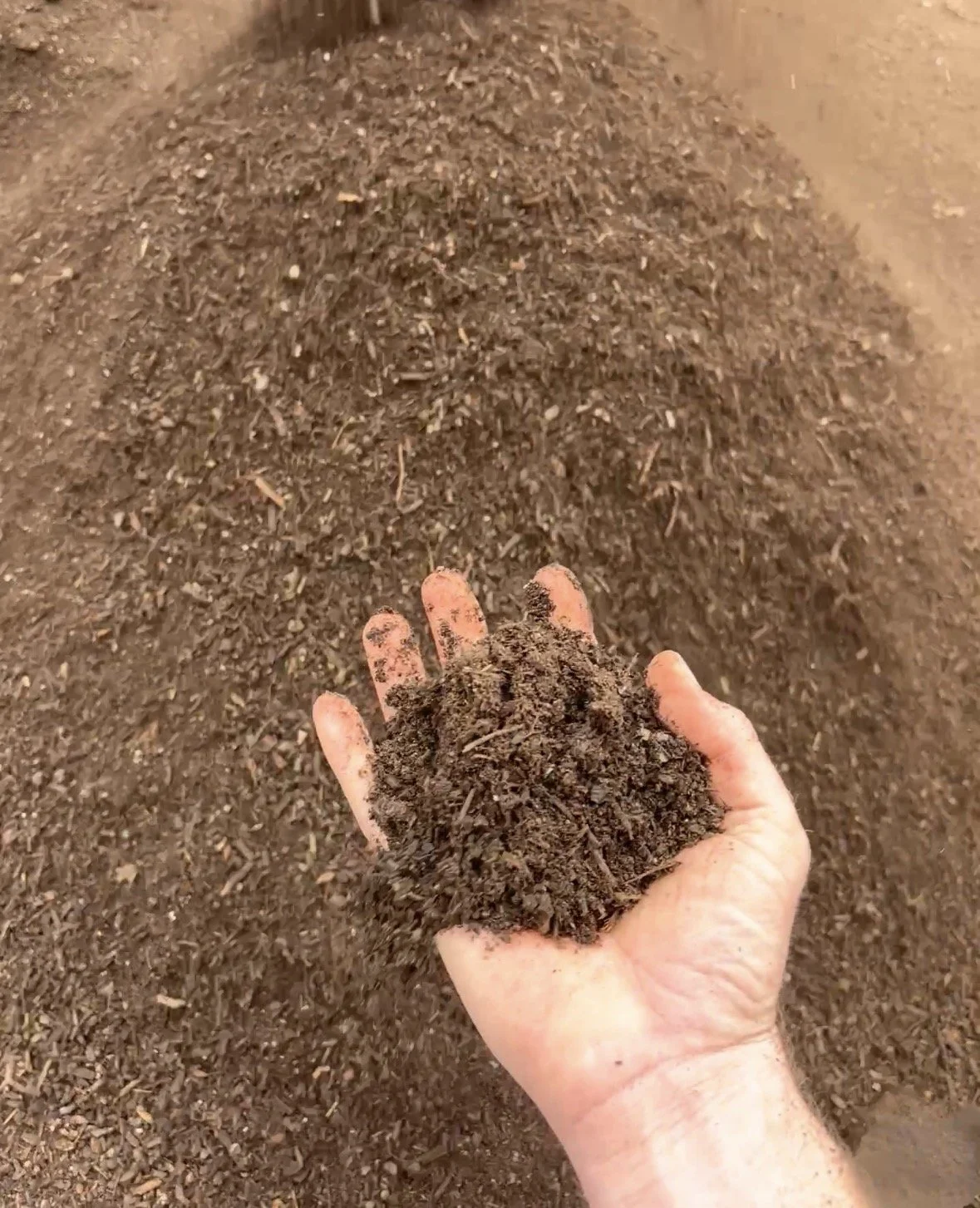
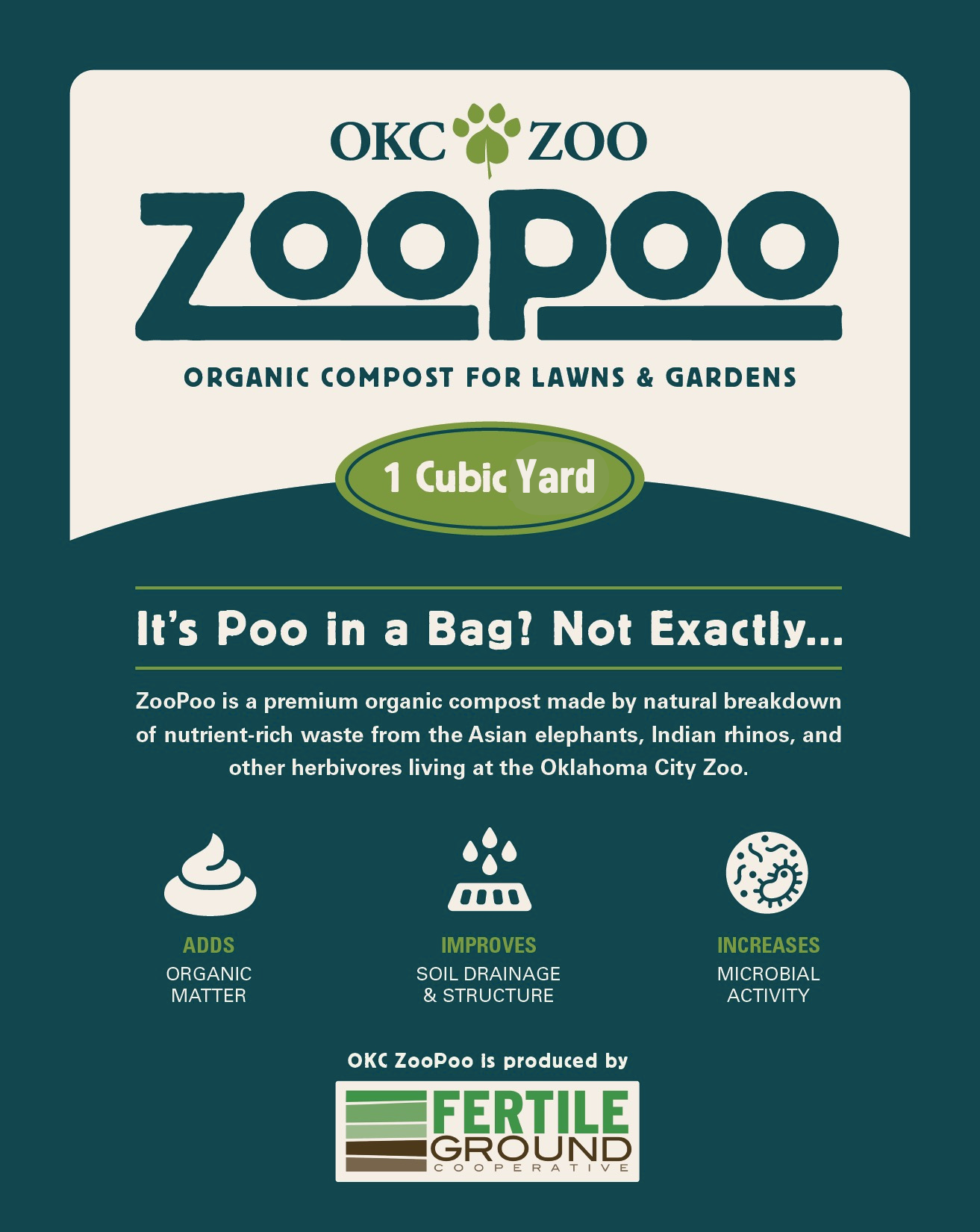
Finished compost adds organic matter to soil, improves soil structure, supports beneficial microbial activity, and helps soils retain moisture and nutrients more effectively. Compost can also help improve infiltration and reduce erosion and runoff in compacted or disturbed soils.
Using compost in gardens, landscapes, farms, and restoration projects helps build healthier soils while supporting resource recovery and waste diversion efforts.
Benefits of Compost Use`
Reduces organic waste sent to landfills
Conserves natural resources
Improves soil structure and porosity
Improves infiltration and permeability of compacted soils
Improves water holding capacity
Supplies organic matter
Supports beneficial microbial activity
Helps improve cation exchange capacity (CEC)
Supports healthy root development
Assists soils in retaining nutrients
Buffers soil pH